
AI in Computer Science Education: Transforming How Students Learn and Build Future Careers
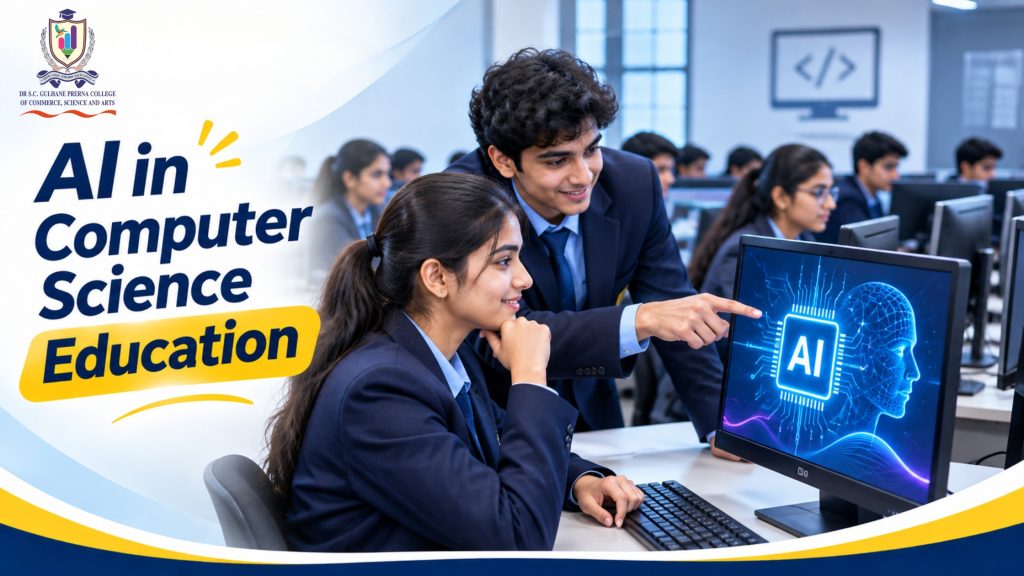
AI in Computer Science Education is changing how students understand technology, develop programming skills and prepare for future careers. Artificial Intelligence is no longer limited to advanced research laboratories or large technology companies. It has become part of everyday applications, business operations, healthcare, education and communication. For students in India, understanding AI alongside traditional computer science subjects can create new opportunities in higher education and professional life.
As technology continues to evolve, computer science education must go beyond textbook knowledge. Students need opportunities to experiment, solve problems and understand how intelligent systems work. This shift makes AI an important part of modern academic learning.
How Artificial Intelligence Is Changing Classroom Learning
Traditional computer science education focuses on programming languages, algorithms, databases and software development. Artificial Intelligence adds another dimension by helping students understand how computers can analyse information, recognise patterns and support decision-making.
AI-powered learning platforms can explain difficult concepts, provide coding suggestions and generate practice exercises. Students can use these resources to explore programming problems at their own pace. Teachers can also introduce interactive activities that make technical subjects easier to understand.
However, AI tools should support classroom teaching rather than replace teachers. Human guidance remains essential for developing logical thinking, creativity and responsible technology use.
Practical Programming Skills and Intelligent Technologies
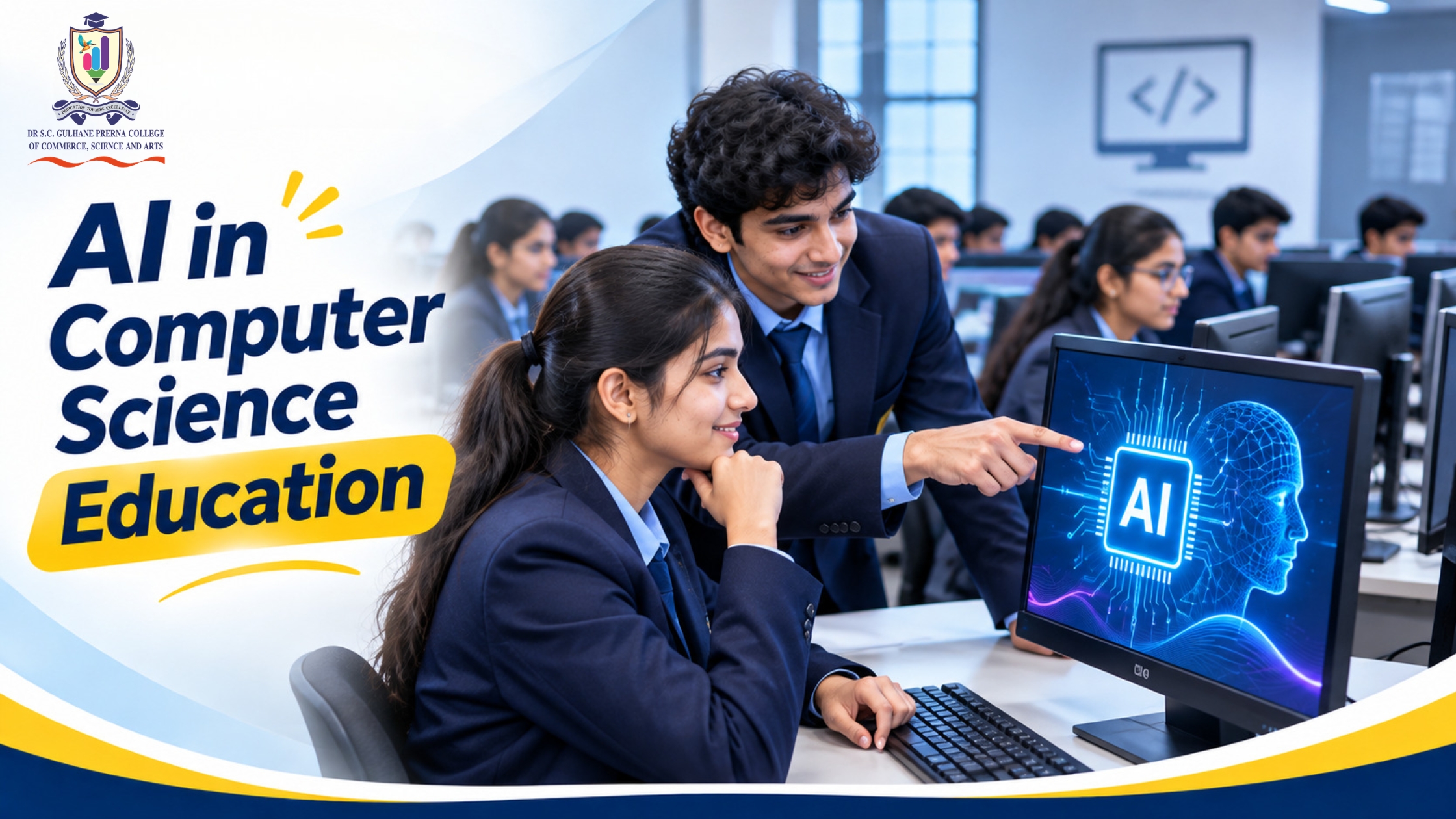
Learning computer science becomes more effective when students connect theoretical concepts with practical applications. AI introduces learners to technologies such as machine learning, natural language processing, computer vision and predictive analytics.
For example, students can explore how recommendation systems suggest products, how chatbots respond to questions and how image recognition applications identify objects. These examples help connect classroom concepts with technology used in everyday life.
Students can gradually develop practical knowledge through small projects, coding exercises and collaborative assignments. Learning programming languages such as Python, understanding databases and exploring basic data analysis can provide a useful foundation for advanced AI concepts.
Why Digital Skills Matter for Indian Students
India’s technology sector continues to create opportunities across software development, IT services, financial technology, healthcare technology and business automation. As organisations adopt intelligent systems, professionals with computer science knowledge and analytical abilities can contribute to different industries.
Students who understand AI fundamentals may explore career paths such as data analyst, machine learning engineer, software developer, AI application developer and business intelligence professional.
Apart from technical knowledge, employers also value communication, teamwork, problem-solving and adaptability. Developing these skills during graduation can help students prepare for changing workplace expectations.
Responsible Use of AI Tools in Academic Projects
Although AI offers several learning advantages, students must understand its limitations. AI-generated answers may contain incorrect information, incomplete explanations or outdated details. Depending entirely on automated tools can also reduce opportunities to develop independent thinking.
Students should use AI for brainstorming, understanding programming errors and exploring alternative solutions. They should verify information, practise coding independently and follow academic integrity guidelines while completing assignments.
Understanding data privacy, cybersecurity, algorithmic bias and ethical technology practices is equally important. Responsible learning helps students become thoughtful technology users rather than simply relying on automated solutions.
Building a Strong Foundation for Technology Careers
A successful computer science student needs more than familiarity with popular AI applications. Strong fundamentals in mathematics, programming, data structures, operating systems and database management remain important.
Students should also participate in coding competitions, workshops, internships and group projects whenever possible. These experiences provide opportunities to apply classroom knowledge and understand practical industry requirements.
Choosing an academic institution that encourages practical learning, technical exploration and skill development can make an important difference in a student’s educational journey.
Prepare for the Future of Computer Science
AI is creating new possibilities for education, innovation and professional development. Students who combine traditional computer science fundamentals with emerging technologies can become better prepared to understand and contribute to the digital world.
At Prerna College of Commerce, Science and Arts, students can explore academic opportunities that support their educational and career aspirations. Developing curiosity, technical confidence and a willingness to learn will remain valuable as technology continues to advance.
The future belongs to learners who do not simply use technology but understand how to improve it, question it and create meaningful solutions through it.