
Web Development for Beginners: Start Your Coding Journey with Confidence
Web development for beginners is an exciting starting point for students who want to explore technology, creativity, and career opportunities in the digital world. Today, websites are an important part of almost every industry, from education and healthcare to travel, banking, and e-commerce. Businesses need well-designed websites to connect with customers, share information, and provide online services.
For students in India, learning website development can open doors to practical projects, internships, freelance opportunities, and careers in the IT sector. The best part is that you do not need advanced technical knowledge to get started. With curiosity, regular practice, and the right learning approach, you can gradually develop the skills required to build your own website.
Understanding How Website Development Works
Website development is the process of creating and maintaining websites that people access through browsers. It includes designing page layouts, writing code, organising information, and making websites functional across different devices.
There are three important areas to understand:
- Frontend Development:Focuses on the visual elements users interact with, including buttons, menus, images, and page layouts.
- Backend Development:Manages server-side operations, databases, user accounts, and website functionality.
- Full-Stack Development:Combines frontend and backend knowledge to create complete web applications.
Understanding these areas helps students decide which direction they want to explore as they gain experience.
Essential Programming Languages for Creating Websites
Learning the right technologies makes the development process easier. Beginners should focus on a few fundamental tools before moving towards advanced frameworks.
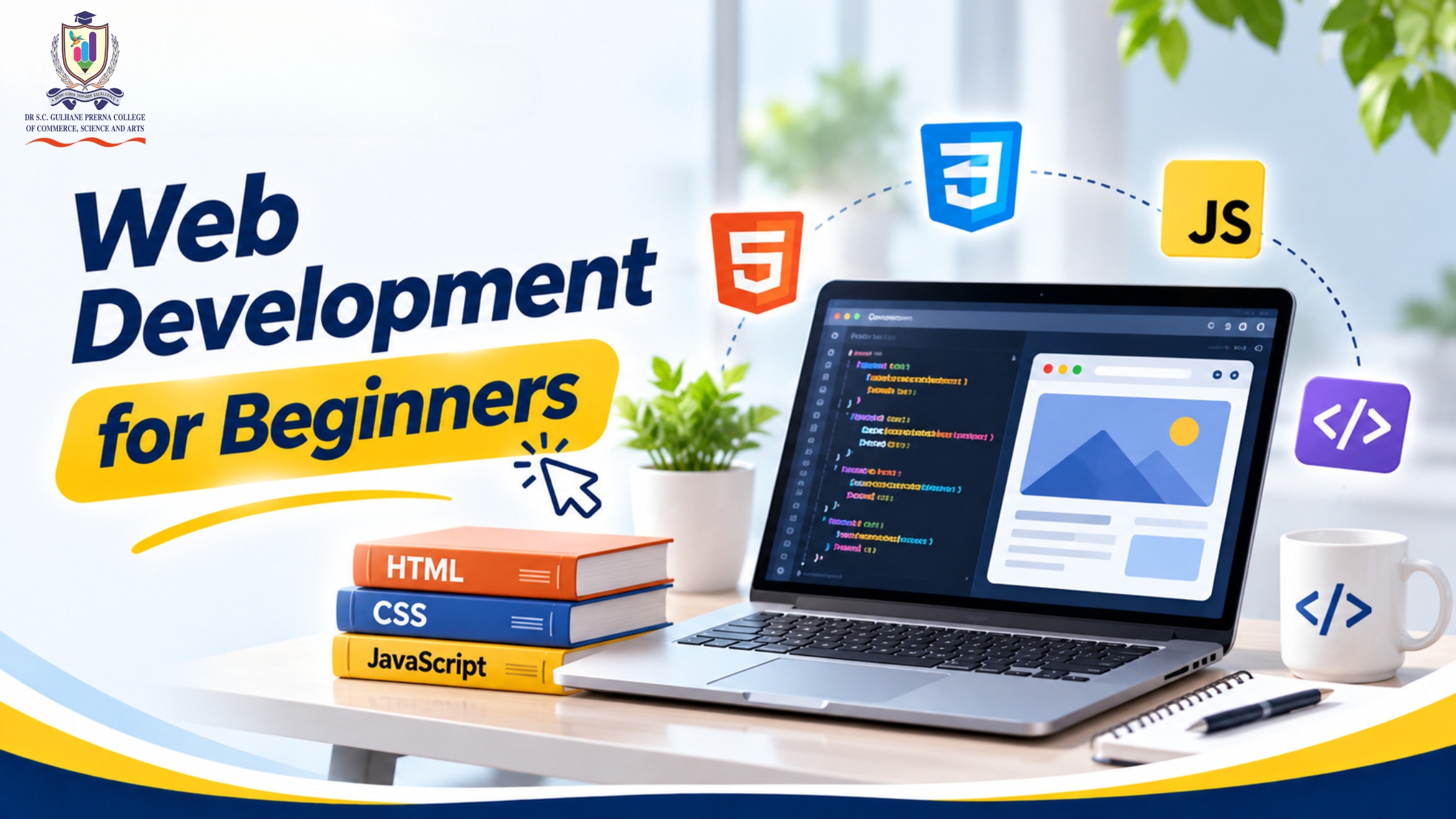
HTML (HyperText Markup Language): HTML provides the basic structure of a website. It helps organise headings, paragraphs, images, links, and other content.
CSS (Cascading Style Sheets): CSS controls the appearance of web pages. It helps developers add colours, spacing, fonts, animations, and responsive layouts.
JavaScript: JavaScript makes websites interactive. It allows developers to create image sliders, interactive forms, dropdown menus, and dynamic content.
Students should learn these technologies step by step rather than trying to master everything at once.
How to Build Your First Website Step by Step
The easiest way to understand coding is to apply what you learn through small projects. Instead of spending all your time watching tutorials, start experimenting with simple website ideas.
Follow these steps:
- Learn basic HTML tags and create a simple webpage.
- Use CSS to improve the design and organise the layout.
- Add JavaScript to introduce interactive features.
- Make the website responsive for mobile phones, tablets, and desktops.
- Test your website and correct errors before publishing it online.
A personal portfolio, college event webpage, travel information website, or student blog can be a great first project.
Why Responsive Design Matters in Modern Websites
People use different devices to browse the internet. A customer might visit a website using a smartphone while travelling, whereas another person may access it through a laptop at work.
Responsive web design ensures that a website adjusts to different screen sizes without affecting the browsing experience. Beginners should understand flexible layouts, mobile-friendly navigation, readable text, and properly sized images.
For example, a travel website should allow visitors to explore destinations, compare packages, check hotel information, and contact service providers easily from their mobile phones. A smooth experience encourages visitors to spend more time on the website.
Practical Projects That Help Students Improve Coding Skills
Practical experience is one of the most effective ways to become confident in programming. Students can begin with projects that solve everyday problems.
Some useful project ideas include:
- Personal Portfolio Website:Showcase your skills, achievements, education, and projects.
- Travel Guide Website:Display popular destinations, travel tips, images, and suggested itineraries.
- College Website:Create pages for courses, admissions, events, and student activities.
- Online Shopping Website:Practise product listings, categories, search options, and interactive features.
- Restaurant Website:Build a digital menu with contact details and reservation information.
These projects help students understand how websites work in real situations while improving their problem-solving abilities.
Career Opportunities After Learning Website Design and Coding
The demand for digital services has encouraged businesses across India to invest in their online presence. As a result, students with web development knowledge can explore several career paths after gaining the required technical skills.
Some popular career options include:
- Frontend Developer
- Backend Developer
- Full-Stack Developer
- Web Designer
- UI/UX Designer
- Website Maintenance Executive
- Freelance Web Developer
Students can also explore opportunities in startups, IT companies, digital marketing agencies, and e-commerce businesses. Building a strong portfolio and gaining practical experience can make a difference when applying for internships and entry-level positions.
How College Education Supports Technical Skill Development
Learning programming becomes more meaningful when students connect classroom knowledge with practical applications. A structured academic environment can help learners understand computer fundamentals, logical thinking, database concepts, and software development practices.
At Prerna College of Commerce, Science and Arts, students can explore academic learning alongside their interest in emerging technology. Developing communication skills, analytical thinking, and problem-solving abilities can also help students prepare for the changing IT industry.
Final Thoughts
Starting a career in technology does not require you to know everything from the beginning. Consistent practice, curiosity, and a willingness to experiment are the foundations of successful learning. Start with HTML, CSS, and JavaScript, build small projects, and gradually explore advanced technologies.
For students looking to enter India’s growing digital economy, website development can be a valuable skill that combines creativity with technical knowledge. Whether your goal is to work with an IT company, develop websites for businesses, or create your own digital platform, every successful developer begins with one simple step: learning how to build their first webpage.